
Deeptech3D StarX/StarX-Pro
A 890g handheld blue-laser 3D scanner that claims ±20μm accuracy and 1.8 million points per second
- Status
- Campaign endedEnded October 19, 2025
Editor’s view
Why it matters
3D scanning has long split into two camps: affordable hobbyist units that fall short on accuracy, and industrial systems that deliver precision but are heavy and expensive. Deeptech3D positions its StarX series, StarX and StarX-Pro, as a bridge between them. According to the source, the company's founding team includes veterans of Microsoft Research Asia and Zhejiang University's CAD team, and it holds more than 120 patents, including over 20 invention patents.
Accuracy from a wide stereo baseline
The maker claims an accuracy of ±20μm (0.02mm). Central to that figure is a 190mm stereo baseline, the distance between the scanner's two cameras, which the source contrasts with the roughly 100mm typical of handheld scanners. A longer baseline improves depth measurement, and the maker pairs it with two custom industrial-grade large lenses intended to minimize refraction and aberration. Data capture is rated at 1.8 million points per second, which the source describes as about 1.8 times faster than traditional handheld scanners, with faster capture also helping limit the effect of hand shake.
Blue lasers for reflective surfaces
Shiny materials such as aluminum and stainless steel often require anti-reflective spray before scanning. StarX uses a custom-developed blue laser and a total of 30 laser lines: 22 crossed lines for broad coverage, 7 parallel lines for fine detail, and a single line for narrow gaps and grooves. According to the maker, this allows stable point clouds on reflective objects without spray. A high-sensitivity sensor and narrowband filter are said to suppress ambient light, from outdoor sunlight to dim interiors.
Build and software
- Weight: 890g
- Dimensions: 270mm×150mm×70mm
- Body: aerospace-grade aluminum
- Operating range: -10℃ to 50℃, 20% to 80% relative humidity
- Software: 3D Matrix, with AI-based noise removal and gap filling
- Compatibility: CAD tools such as SolidWorks and AutoCAD
The source says the 3D Matrix software can cut post-scan editing time by 30% or more, and that scan data can be imported into design software for inspection against drawings or reverse engineering. Suggested uses range from factory part inspection and digital preservation of artworks to vehicle modeling and construction-site checks.
Product information is based on manufacturer announcements. Modern-G has not tested this product hands-on. Last updated:
Details
Specifications
Full specifications are not confirmed yet. We will update this page once they are published.
For Brands
Are you the brand behind this product?
Official stores, specifications and images are updated after our editors check them.
Keep exploring
Related discoveries
Gaming
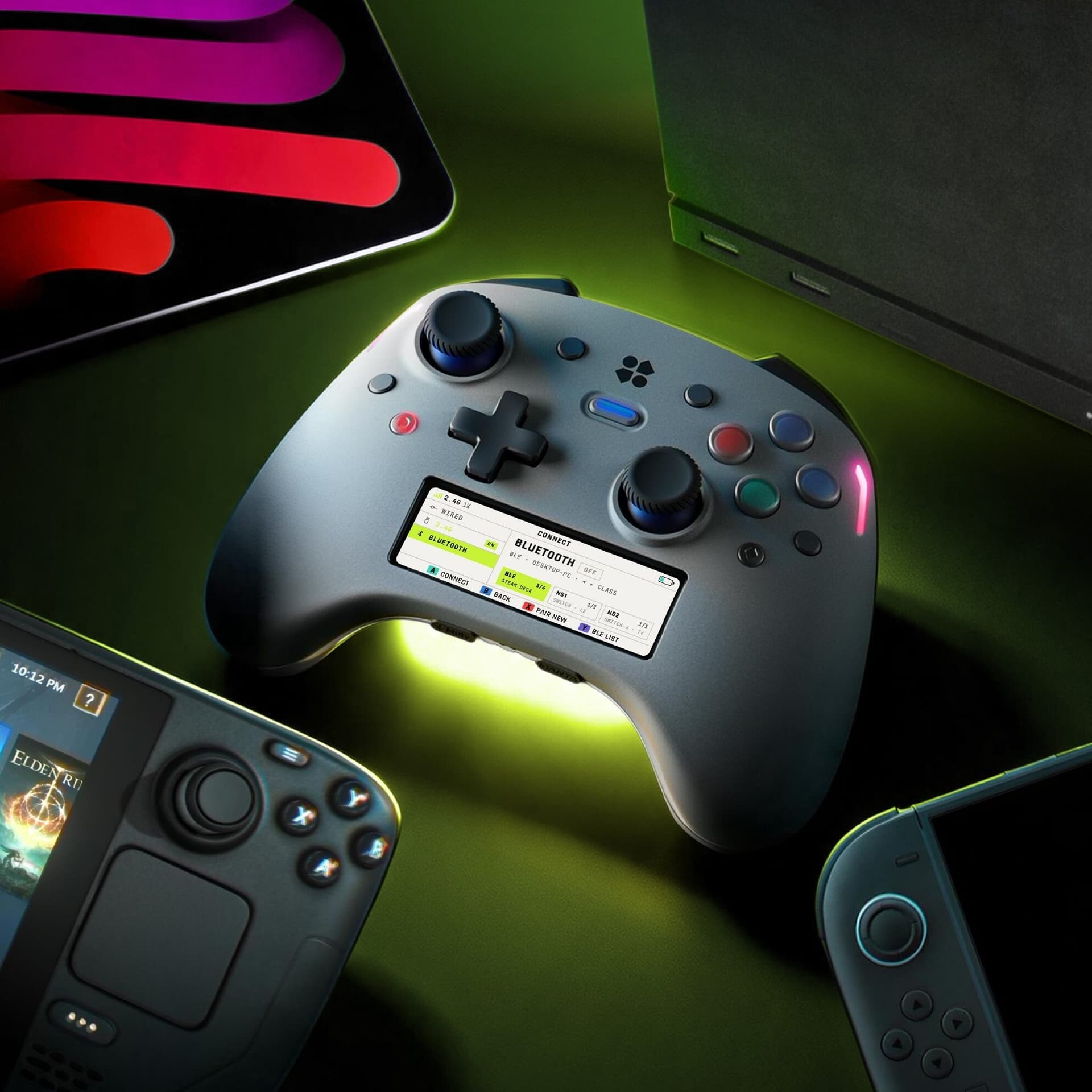
GENKI MANTA
A pro controller with a built-in 2.79-inch screen and MantaOS for tuning buttons, sticks and triggers on the device
Gaming
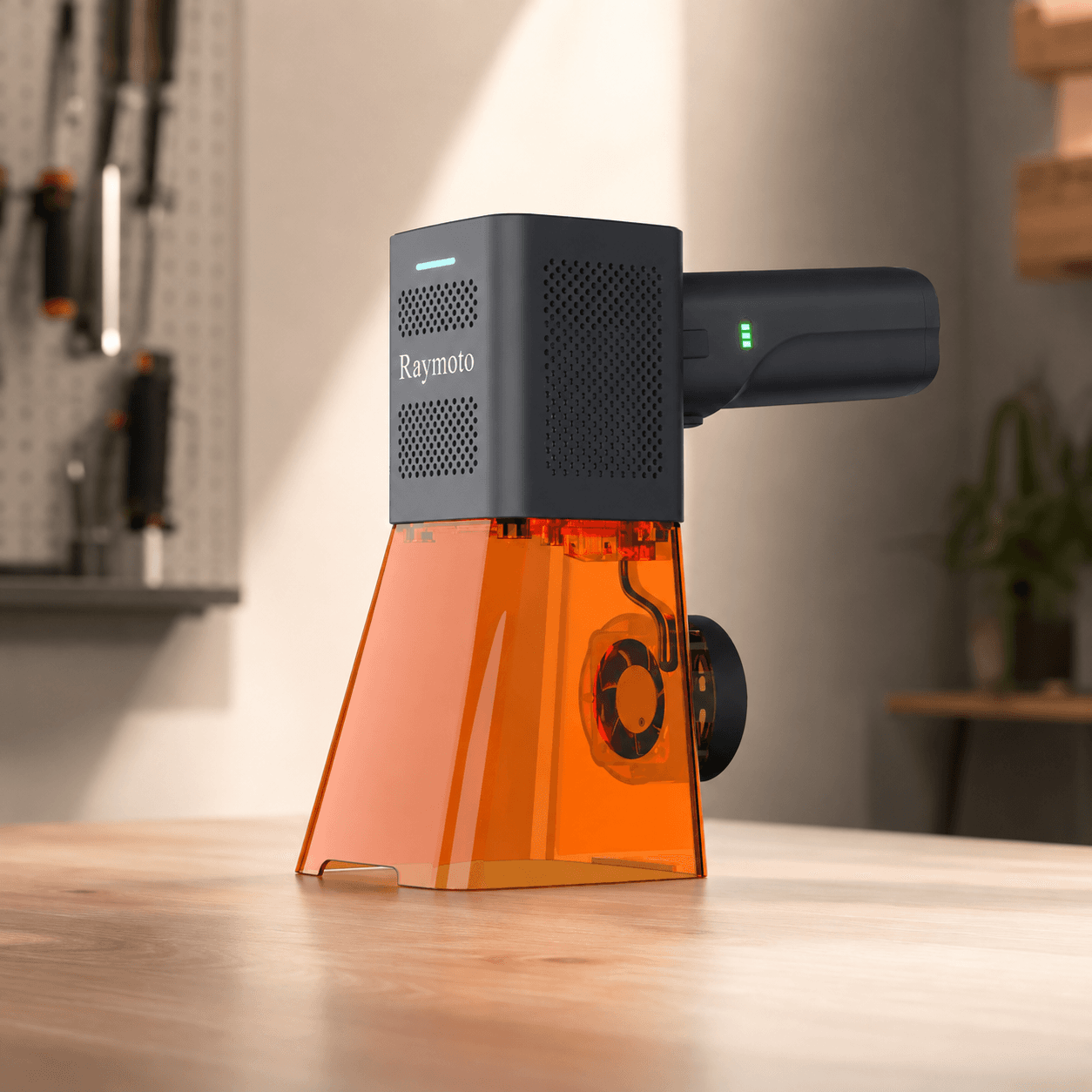
Raymoto A1
A cordless, roughly 500g galvo laser engraver you carry to the object instead of the other way round

Gaming
abxylute N6 & N9C
Deck-style Switch 2 controllers that wrap the console in full-size grips and Hall effect or capacitive sticks

Gaming
abxylute M6/M5
Two slide-out controllers that hide behind your phone and glide open when it's time to play.