
KIOKU
A pocketable flashcard system that brings kanji, vocabulary and grammar together around spaced review
Editor’s view
Why it matters
Rem got into Japanese through anime and struggled to find an efficient way to study on his own. Reading about the forgetting curve convinced him that frequent, short reviews were the key to retention. He began by carrying around pages cut from textbooks, which creased and went missing, and eventually made his own flashcards. According to the maker, this method helped him pass JLPT N1 in three years.
The project has a track record. The maker says an international edition of KIOKU Kanji Cards was crowdfunded on Kickstarter in 2024, raising US$120,000 from more than 1,300 backers, and that the cards have since been used by more than 30,000 learners worldwide. The complete series keeps the kanji cards and adds new vocabulary and grammar sets.
Built around the forgetting curve
The system draws on Hermann Ebbinghaus's forgetting curve, which holds that new information fades quickly, especially without review within 1-2 days. Each card has a prompt on the front and the answer on the back, so learners actively recall rather than simply reread. The maker recommends three to four sessions of about five minutes a day, revisiting the same cards every 2-3 days, with 20-30 "in progress" cards kept on the ring and mastered ones swapped out for new ones. Beginners are advised to start with a hiragana mini deck before moving on to kanji N5, basic grammar and vocabulary N5.
What the decks cover
- Kanji: 2,115 kanji arranged by JLPT level (N5 to N1), plus 3,918 frequently used words, with on and kun readings, furigana and English translations on the back
- Vocabulary: about 10,000 words by JLPT level, six words per card, each with a short example sentence and English translations on the reverse
- Grammar: about 400 basic grammar items, followed by sentence patterns, with 200 for beginners, 200 intermediate and 400 advanced
Designed to travel
The cards are roughly business-card size, and the maker says fonts and layout are optimized so kanji strokes and furigana stay legible. The material is described as water- and tear-resistant yet thin enough to carry 100-130 cards in a bundle, compared with the 40-50 the maker says many sturdier products manage. Each deck comes with a carabiner for clipping onto a bag or belt loop. The team also argues that physical cards avoid phone notifications, and cites a 2017 study from HES-SO Valais in Switzerland that found paper-flashcard users remembered about 70% more than those using digital tools.
According to the campaign, a ¥10 million stretch goal enabled multilingual editions, including Spanish, German, Portuguese and French, a material upgrade to YUPO®, and production in Japan, with decks printed, cut and punched in the company's own factory. Following minor scratches and misaligned punch holes in early production runs, the maker says it has added a second inspection in Japan and reinforced its packaging for international shipping.
Product information is based on manufacturer announcements. Modern-G has not tested this product hands-on. Last updated:
Details
Specifications
Full specifications are not confirmed yet. We will update this page once they are published.
For Brands
Are you the brand behind this product?
Official stores, specifications and images are updated after our editors check them.
Keep exploring
Related discoveries
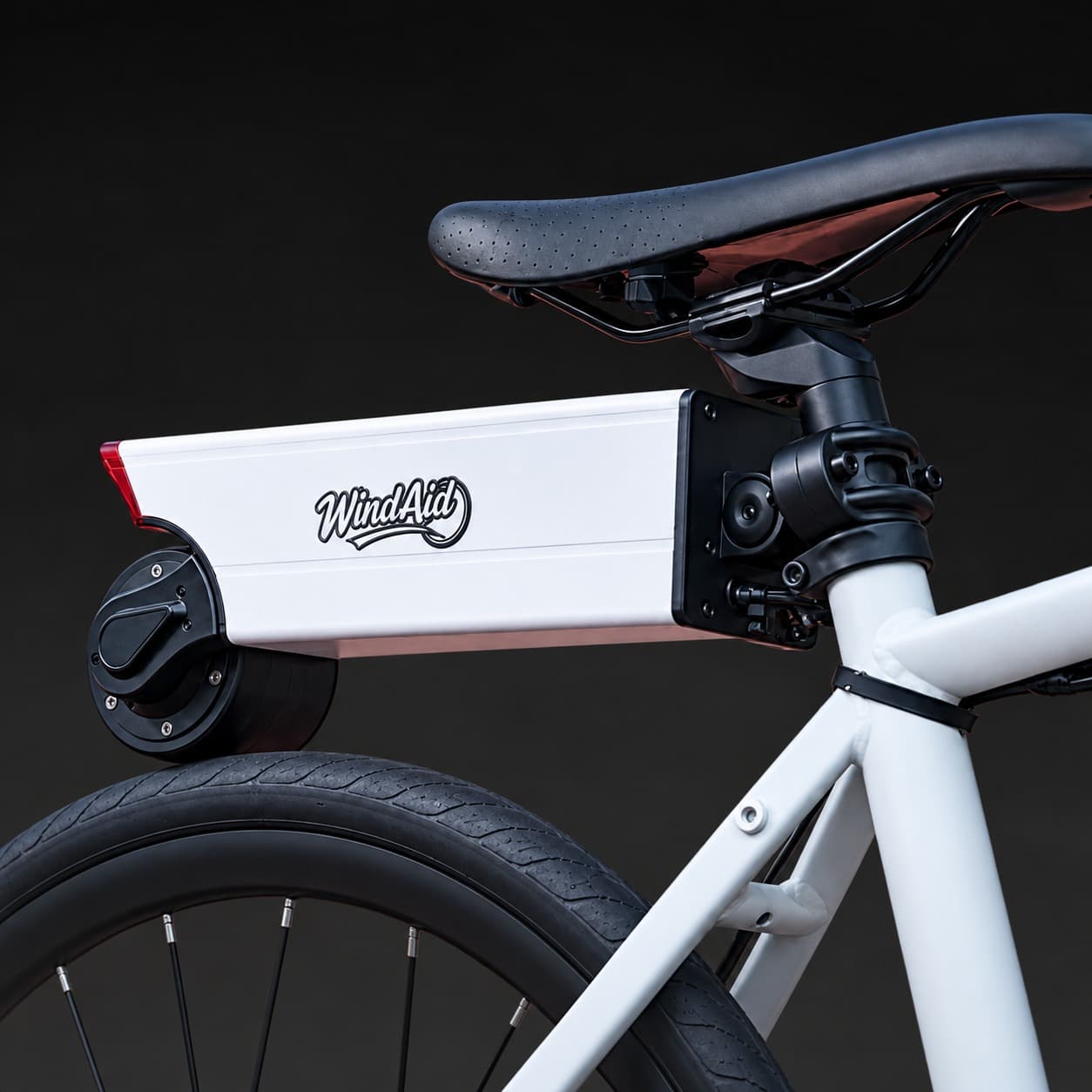
Outdoor & EDC
WindAid
A friction-drive e-bike conversion kit that clips onto your current bike and comes off when you don't need it.
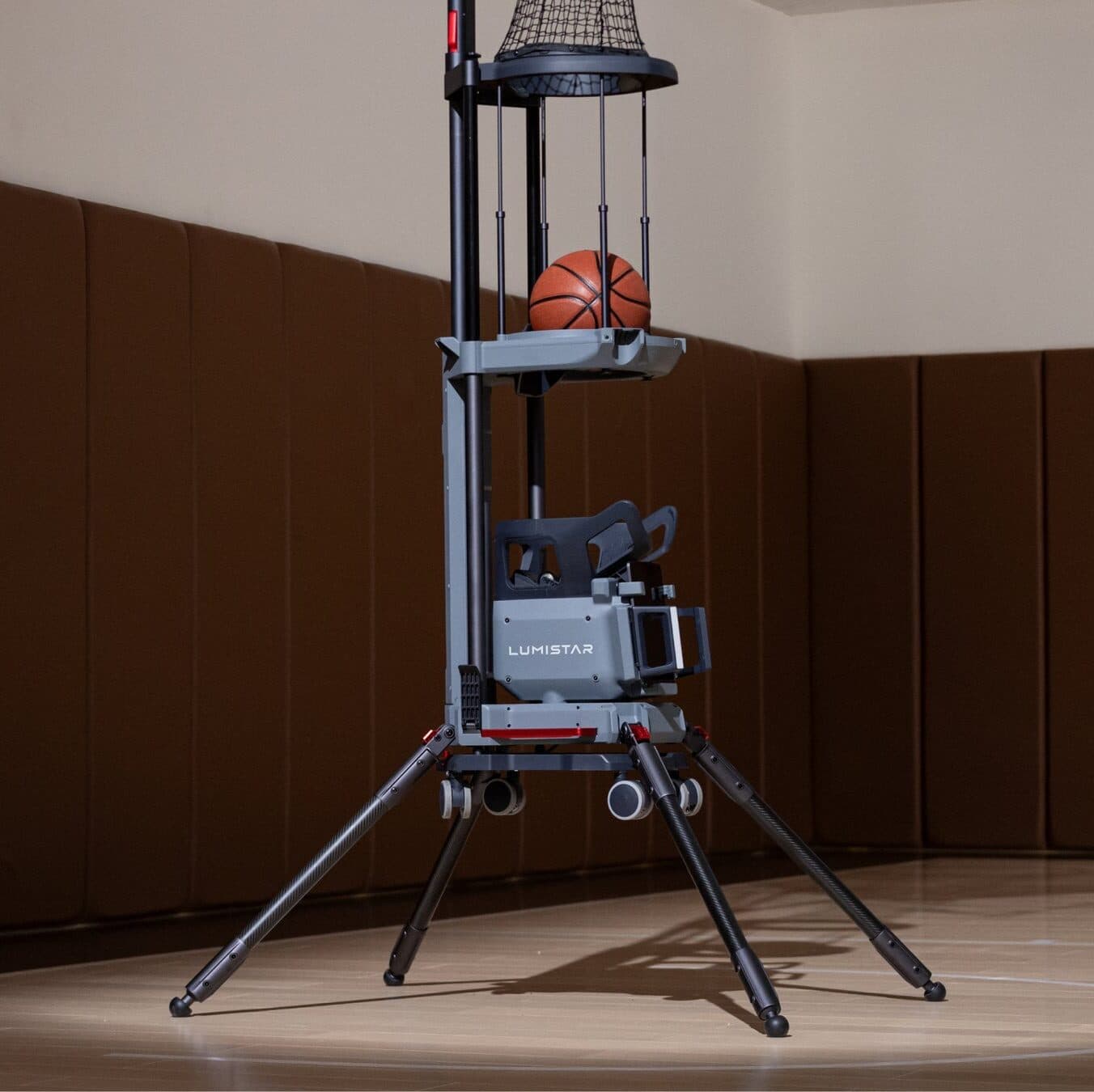
Outdoor & EDC
LUMISTAR CARRY
A four-camera AI basketball rebounder that passes on hand gestures and analyzes your shooting form.
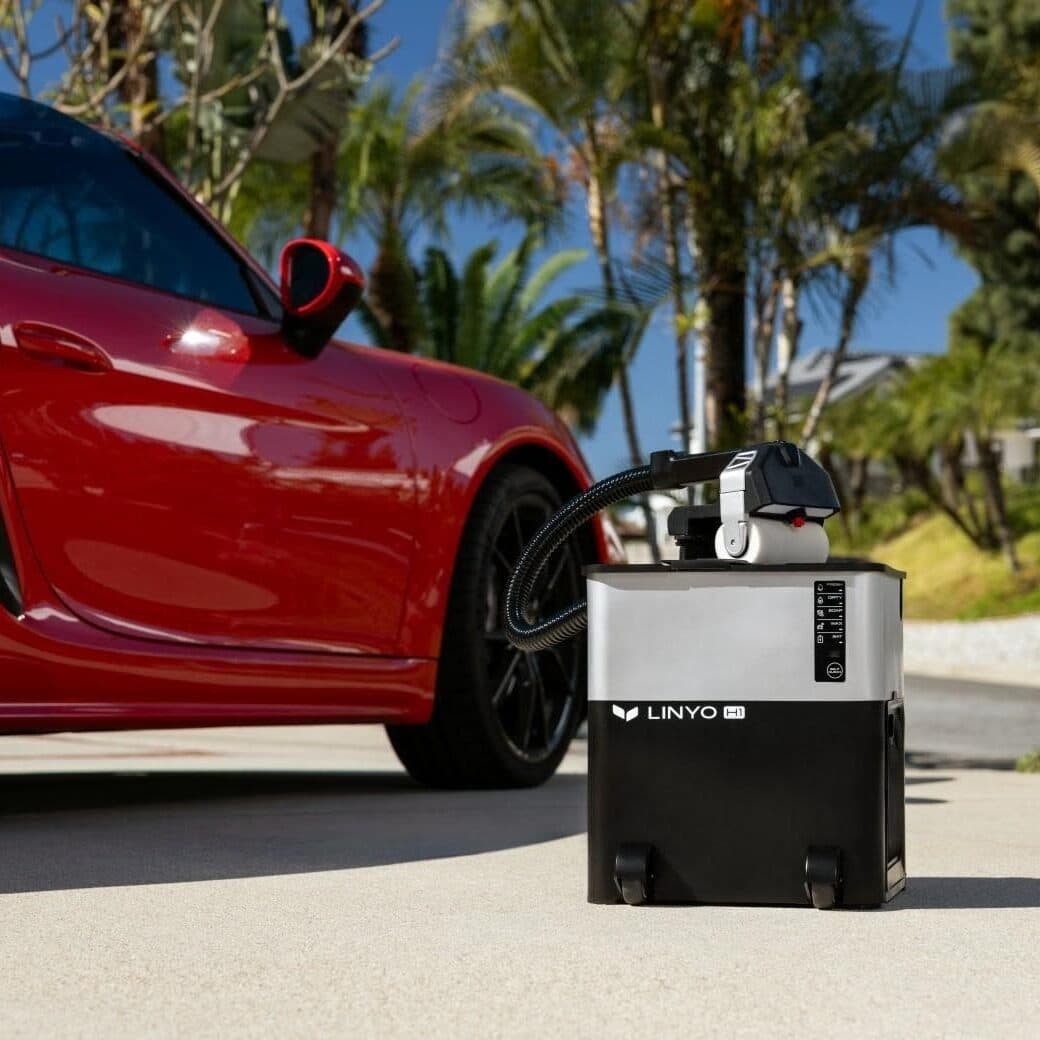
Outdoor & EDC
LINYO H1
A cordless all-in-one car washer that foams, scrubs, waxes, recovers dirty water and vacuums interiors
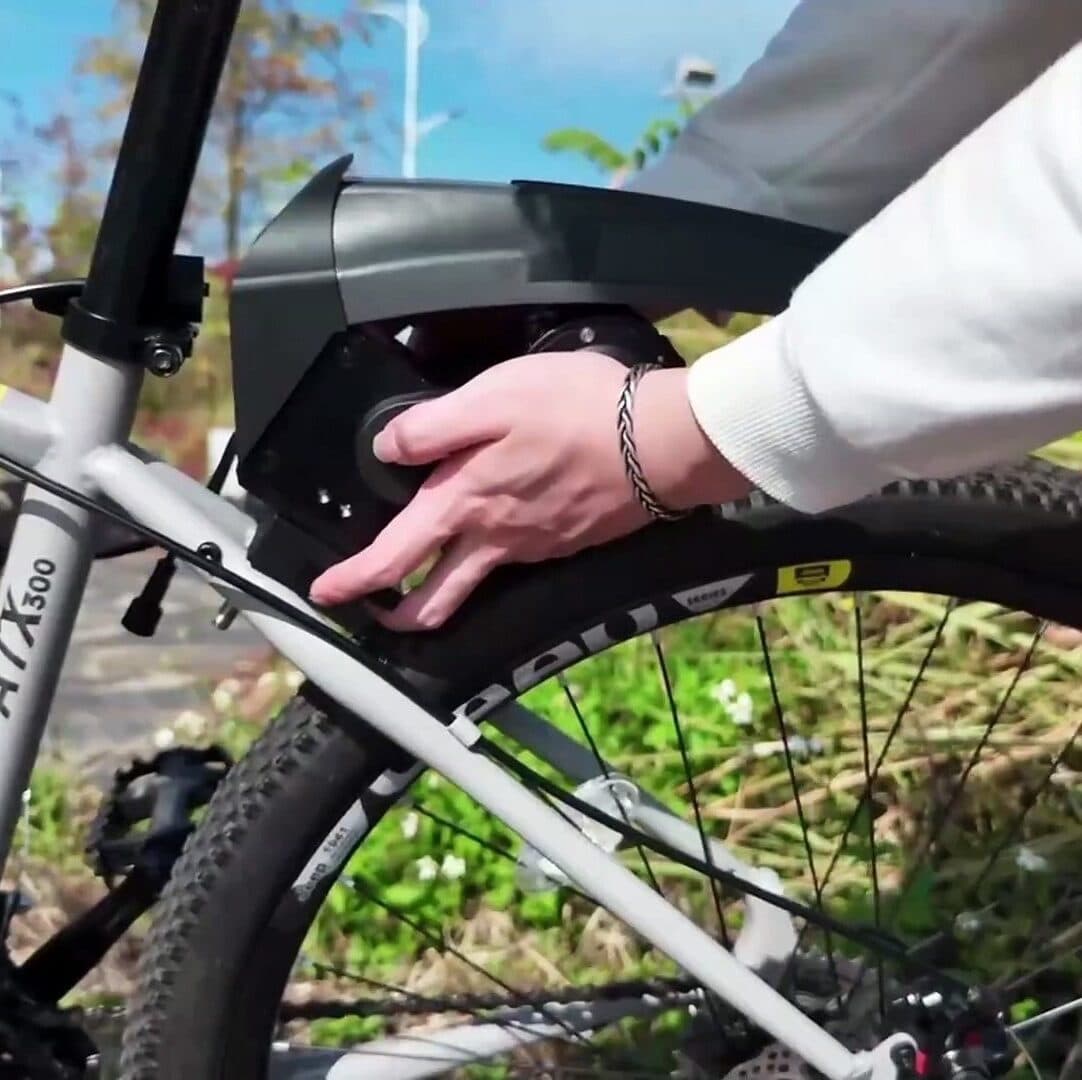
Outdoor & EDC
SDKEBOOST
A tool-free, clip-on 700W brushless assist kit that turns an existing bicycle into an e-bike